Spain Moves to Ban Social Media for Under-16s, Escalating Europe’s Tech Regulation Debate
futurestackio >> Tech News>> Spain Moves to Ban Social Media for Under-16s, Escalating Europe’s Tech Regulation Debate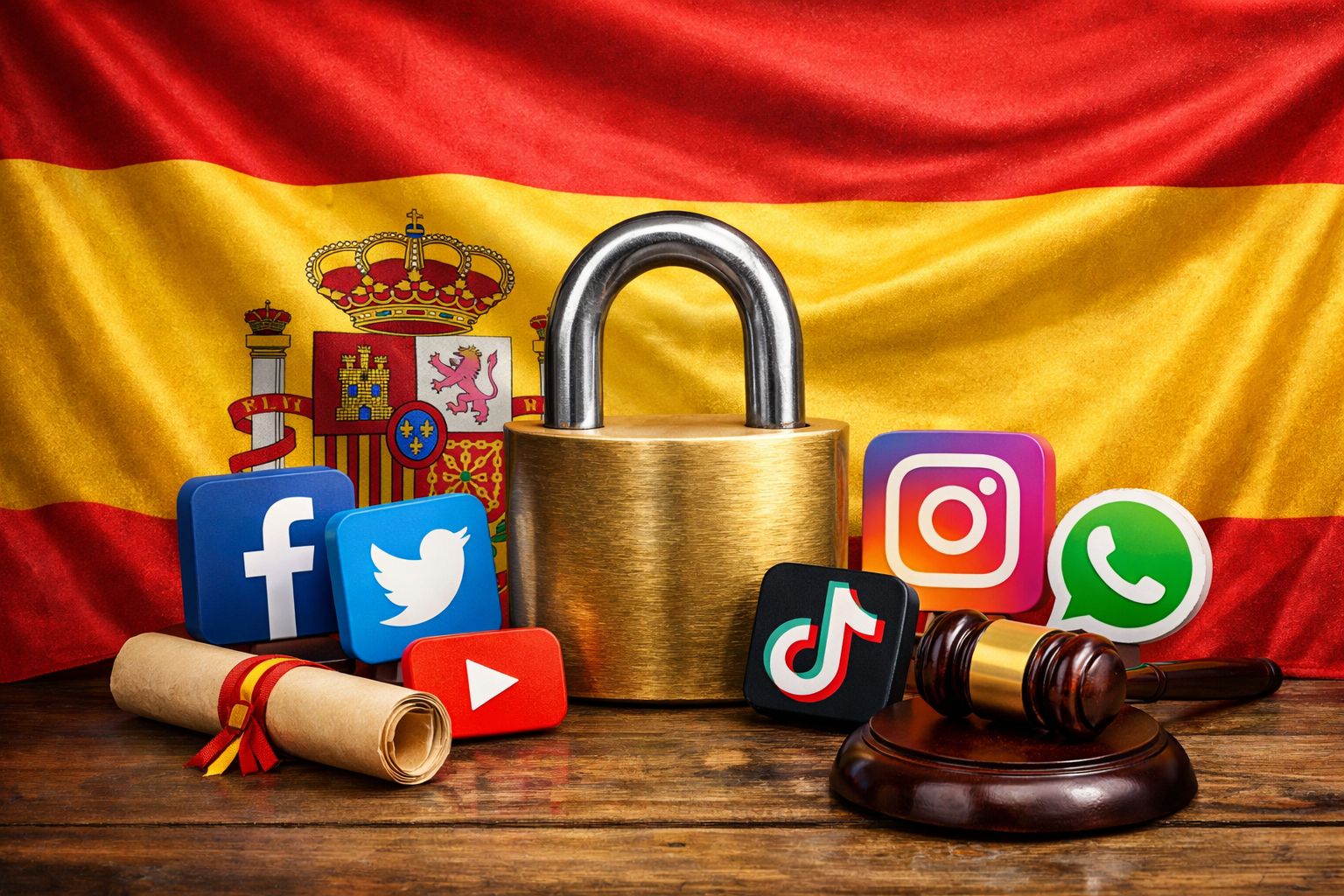
Spain Moves to Ban Social Media for Under-16s, Escalating Europe’s Tech Regulation Debate
Spain is set to join a growing list of countries seeking stricter regulation of social media access for minors. Prime Minister Pedro Sánchez has proposed legislation that would ban children under 16 from using platforms such as Instagram, TikTok, and Facebook. The move comes amid mounting concerns about online safety, digital wellbeing, and the responsibility of tech companies to protect younger users.
The Proposal and Its Rationale
Sánchez described Spain as operating in a “failed state in which laws are often ignored,” emphasizing the need for effective digital safeguards. The proposed legislation would require platforms to implement age verification systems, ensuring that children under 16 cannot create accounts without parental consent.
The government argues that the ban is necessary to protect minors from cyberbullying, misinformation, and addictive content. According to recent studies, nearly 80% of Spanish teens actively use social media, and many start at ages below 13. Sánchez claims that voluntary measures by platforms have failed to adequately safeguard young users.
Technology and Implementation Challenges
Enforcing an age-based ban is technically complex. Platforms must balance privacy, accuracy, and usability. Options include:
- Digital ID verification
- Parental consent portals
- AI-powered behavior analysis to flag underage users
Critics argue that some methods may intrude on privacy or be easily circumvented, for example through false birthdates or VPNs. Tech companies are under pressure to innovate rapidly or face potential fines and legal action.
European and Global Context
Spain’s initiative aligns with broader trends across Europe. In December 2025, Australia passed similar legislation, requiring platforms to verify users’ ages and provide safer online experiences for children. Other EU countries, including France and Germany, are exploring digital youth protections as part of their regulatory strategies.
The European Commission has also been considering stricter guidelines for platform responsibility and child data protection, suggesting that Spain’s approach could set a precedent for the rest of the continent.
Reactions from the Tech Industry
Elon Musk, owner of X (formerly Twitter), criticized the proposal, calling it “authoritarian” and overreaching. Social media companies warn that strict enforcement could:
- Increase operational costs
- Drive younger users to less-regulated platforms
- Challenge user privacy norms
Conversely, child advocacy groups and digital wellbeing experts support the initiative, citing research linking early social media use with mental health risks and reduced attention spans.
Implications for Users and Policy
If implemented, the ban would affect millions of minors in Spain and require platform-level infrastructure changes. Families, educators, and policymakers would need to adapt to new digital rules, while platforms could see a shift in user demographics and engagement patterns.
This development highlights the growing tension between governments and global tech companies. It underscores how digital sovereignty, user safety, and corporate responsibility are reshaping the tech landscape in Europe.
Looking Ahead
Spain is expected to finalize legislation in mid-2026, with tech companies likely receiving a transition period to comply. Observers predict that this move could accelerate EU-wide regulations on child safety and digital services.
Ultimately, Spain’s proposal illustrates the rising stakes in the global debate over online regulation, balancing innovation, safety, and societal responsibility. As governments continue to act, social media platforms must evolve or risk losing credibility and users.